Naples Boat Coverage
Boat Insurance in Naples, FL
Get clear boat insurance guidance today.
What You Need to Know
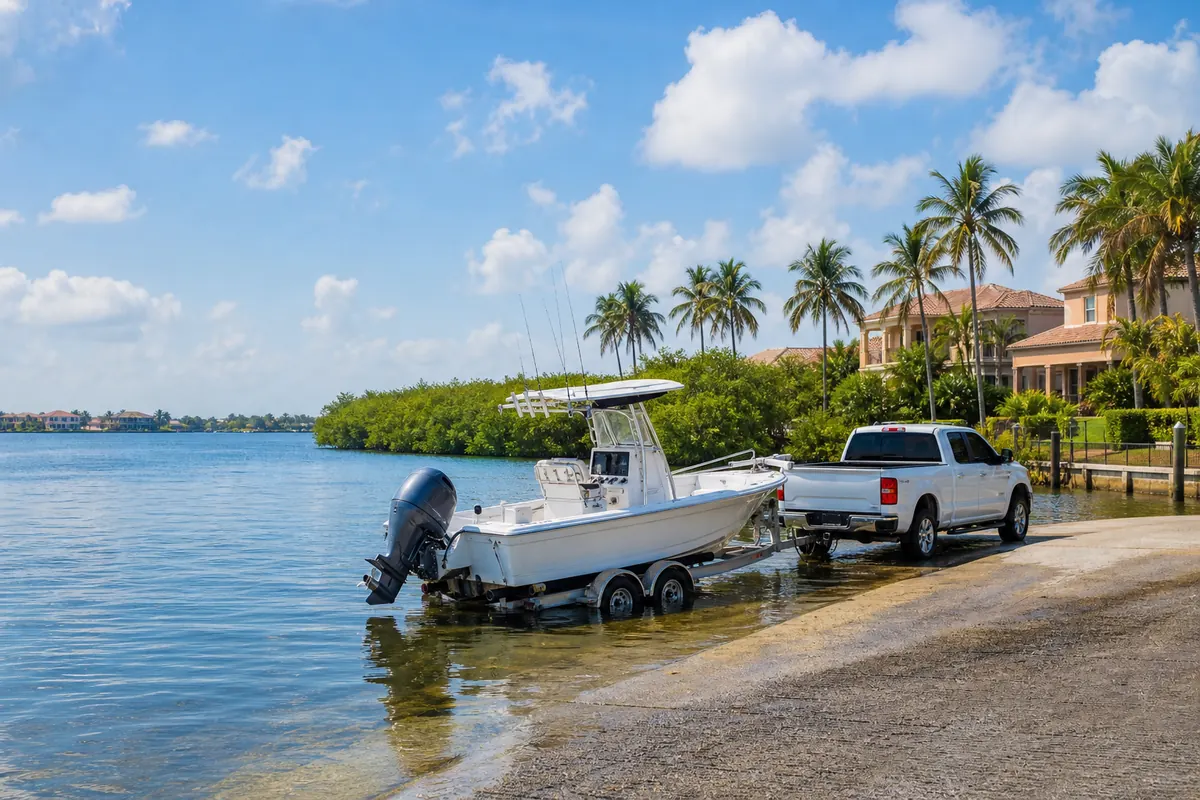
US 41, Collier Blvd, and Vanderbilt Beach Rd often lead to busy ramps, marinas, and trailer traffic. Boat insurance can feel hard to sort out because people use the same words for very different coverage. We keep it simple. If you own a center console, pontoon, sailboat, personal watercraft, or trailer in Naples, the main questions are usually about damage, liability, storm planning, and where you can use the boat. We help you understand the choices, compare the terms, and avoid buying a policy that fits badly once you actually need it.
Around Naples, boating life changes with the season. From November to April, traffic and ramp activity rise, and summer can bring flooding, wind, and fast weather shifts. That matters for how a boat is stored, trailered, financed, and insured. Florida does not require boat insurance by state law, but lenders and marinas often do. Coverage may also matter if you keep the boat near the Gulf beaches, tow it across town, or store it farther east where long drives and open exposure can affect risk.
Boat Insurance Across Collier County and Nearby
- Naples, FL
- North Naples, FL
- East Naples, FL
- Golden Gate, FL
- Golden Gate Estates, FL
- Lely Resort, FL
- Marco Island, FL
- Bonita Springs, FL
- Estero, FL
- Pelican Bay, FL
- Vineyards, FL
- Naples Park, FL
- Vanderbilt Beach, FL
- Pine Ridge, FL
- Orangetree, FL
- Isles of Capri, FL
- Goodland, FL
- Ave Maria, FL
- Immokalee, FL
- Naples Manor, FL
- Verona Walk, FL
Core Boat Coverage
Start with the parts that matter most if something goes wrong. A good boat policy is usually built around liability, damage to the boat itself, trailer needs, and weather planning. After that, the fine print becomes important, especially navigational limits, named-storm duties, and whether the value settlement fits the kind of boat you own.
Liability coverage
Liability coverage may help if you are held responsible for injury or damage involving your boat. That can include contact with another vessel, damage at a dock, or problems tied to wake or fueling. The amount that feels reasonable often depends on where and how you use the boat. Busy water near Naples and crowded marina areas can raise the stakes, so liability limits deserve a careful review instead of a quick guess.
Hull coverage
Hull coverage generally refers to protection for the boat itself. This can matter after fire, theft, storm damage, or a crash on the water, depending on the policy terms. One of the biggest choices is agreed value versus actual cash value. Agreed value usually sets the payout method in advance, while actual cash value may factor in depreciation. That difference can be important for newer boats, custom equipment, and well-kept vessels.
Uninsured boater coverage
Some owners ask what happens if another boater causes damage and has little or no insurance. Uninsured boater coverage may help in certain situations, depending on the policy wording. This option can be worth discussing if you boat in areas with a lot of seasonal traffic or use the vessel during busy weekends. It is one of those coverages that can seem secondary until you picture a claim involving someone else who cannot pay.
Trailer and towing needs
A boat policy does not always handle trailer concerns the same way. Trailer damage, theft, roadside trouble, and related liability may need their own review. In Naples, that matters because many owners move boats across Pine Ridge Rd, Golden Gate Pkwy, Immokalee Rd, and I-75 between storage, ramps, and service locations. Towing assistance on the water is another separate issue. Some policies may include options for that, but it should never be assumed.
Named-storm and haul-out planning
Southwest Florida weather is a major part of boat insurance. Summer flooding on low roads and storm threats from the Gulf can affect both the boat and your ability to move it. Many policies include named-storm requirements or expect you to follow a haul-out plan when conditions allow. It helps to know where the boat would go, who would move it, and whether trailer storage, dry storage, or marina rules line up with the policy.
Navigational limits and lay-up periods
Boat policies often define where the vessel may be used and when it is expected to be in or out of service. These terms are easy to miss, but they can matter a great deal. Navigational limits may describe permitted waters or travel areas. Lay-up periods may reduce use during certain times of year. If your boating plans include seasonal changes, trips beyond your usual waters, or long stretches in storage, the policy should match that pattern.
Lender and marina requirements
Even though the state does not require boat insurance, a lender often will if the boat is financed, and a marina may ask for liability coverage before slip access or storage. Those requests can differ from place to place. Some owners first hear about coverage rules when they are ready to dock, store, or close on a purchase. We help you compare those requirements with the policy terms so you are not trying to fix a mismatch at the last minute.
Why Choose Us for Boat Insurance?
Clear Local Guidance
We write for Naples and Collier County, not for a generic market. Seasonal traffic, Gulf weather, long eastbound drives, and storage choices all affect how a boat policy should be reviewed. You get plain explanations without rushed wording or sales filler.
Patient Coverage Review
Boat insurance can be confusing because the details sound similar while the results can differ a lot. We walk through the parts step by step. That includes liability, hull value terms, trailer issues, towing options, and storm obligations that owners often overlook.
Licensed Agent Follow-Up
We provide information and guidance first, then a licensed agent follows up to discuss the policy details. That keeps the process practical. You can sort out the basics, gather the right questions, and move into a real quote conversation with better context.
How to Review Coverage
Start with the Boat
List the boat type, motor details, trailer, storage method, and whether there is a loan. Include personal watercraft or extra equipment if those need attention. Good information at the start usually leads to a better policy match.
Describe Real Use
Think about where you launch, how often you tow, who operates the boat, and whether you stay local or travel beyond your usual waters. A boat used near Naples year round may need a different review than one kept in lay-up for part of the year.
Check Storm Plans
Review named-storm duties, haul-out expectations, and storage options before storm season pressure starts. If low roads flood or access becomes limited, your plan should still make sense. This is often one of the most important parts of the review.
Compare the Fine Print
Look closely at liability limits, hull value terms, trailer treatment, towing options, navigational limits, and exclusions. Similar sounding policies can work very differently when a claim happens. A careful side-by-side check helps prevent surprises later.
Talk with a Licensed Agent
After the basics are organized, a licensed agent can follow up on the details and quote options. That is the right time to ask specific policy questions, confirm lender or marina requirements, and sort out whether the coverage fits your boat and your routine.
Check Florida Rules
If you want to confirm official Florida rules, start with the Florida Department of Highway Safety and Motor Vehicles for state registration and related requirements. For general insurance consumer help, the Florida Department of Financial Services consumer helpline is another useful source. Those sources can help with official guidance, while a policy review helps with the separate question of what coverage may make sense for your boat, trailer, storage setup, and lender or marina obligations.
What Affects Cost
Boat insurance pricing can seem unclear because there is no single rate for every boat in Naples. The premium often changes based on the boat type, size, age, horsepower, value, and where it is used or stored. A center console kept near the water may be viewed differently from a pontoon stored inland on a trailer. Financing, marina requirements, prior claims, and whether you choose broader protection or narrower terms may also change the price.
For many households, insurance pricing across vehicles and boats is also affected by the wider risk picture. A driving record may matter when a trailer is moved on local roads or I-75. The vehicle used for towing, where that vehicle is parked, deductibles, liability limits, annual mileage, and the drivers in the household can all influence premiums on related policies. For the boat itself, storage location, storm preparation, navigational limits, and selected value settlement terms often move the premium up or down.
Boat Insurance Questions We Hear
Is boat insurance required in Florida?
Florida does not require boat insurance by state law. Even so, coverage is often required by a lender if the boat is financed, and marinas may ask for liability coverage before allowing storage or dock use. Many owners also choose coverage because storm damage, theft, and on-water accidents can create large losses that would otherwise fall on them.
What does boat insurance usually cover in Naples?
Coverage usually depends on the policy you choose. Common parts may include liability, damage to the boat, theft, fire, trailer concerns, and sometimes towing options. In coastal Southwest Florida, people also ask about named-storm rules, haul-out expectations, and flooding exposure during summer weather. The best approach is to review how and where you actually use the boat.
What is the difference between agreed value and actual cash value?
Agreed value usually means the policy sets the boat's value in advance for covered total-loss situations, subject to the policy terms. Actual cash value generally reflects depreciation at the time of loss. That difference can affect what you receive after a serious claim. Owners of newer boats, custom rigs, or carefully maintained vessels often want to compare these options closely.
Does a boat policy cover the trailer too?
Sometimes, but not always in the way owners expect. Trailer coverage may be included, limited, or handled as a separate item depending on the policy. It is smart to ask about physical damage to the trailer, theft, liability issues tied to towing, and whether roadside or on-water assistance is available. This matters if you regularly move the boat across Naples roads to ramps or storage.
Can a marina require more coverage than the state does?
Yes. A marina may ask for liability limits or documentation even though the state does not require boat insurance. Lenders may also set their own insurance conditions. Those private requirements are common and can affect where you store the boat or whether you can complete financing. It helps to check those rules early so the policy lines up before you need to show proof.
Contact Us Today for a Free Estimate
Ready to review boat insurance for your Naples vehicle or property? Tell us what you have and we will follow up.
Free, no obligation.